
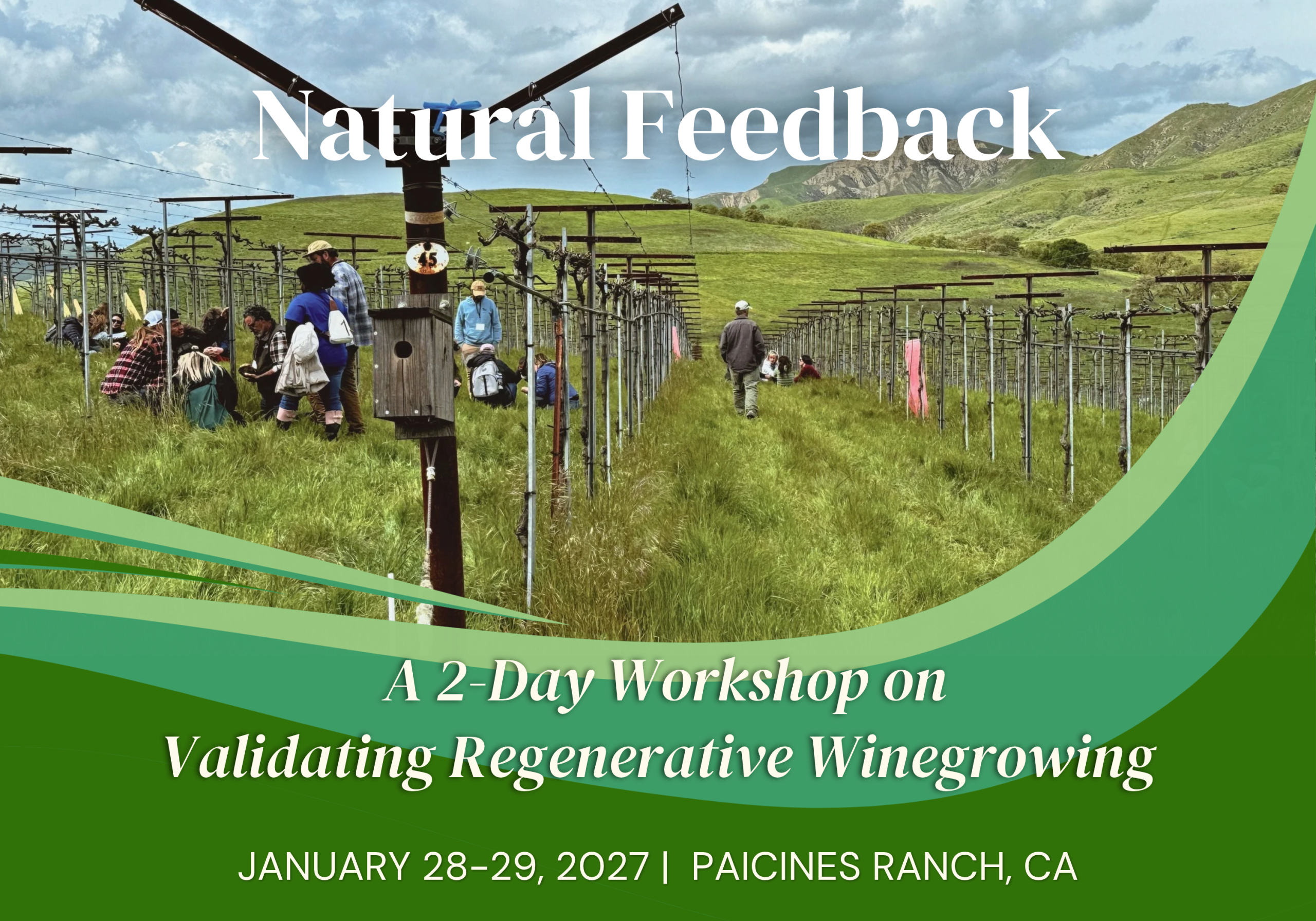
The future of winegrowing is regenerative, and regeneration depends on monitoring.
At its core, regenerative winegrowing is about farming profitably through observation, dialogue and reciprocity with the ecosystem. But if you aren't monitoring, how will you know whether you're making progress? What do we need to monitor and how will it inform our management decisions?
This workshop brings together a phenomenal lineup of scientists and practitioners to help you identify the most important indicators of a vibrant vineyard and ecosystem, and to understand why each one matters for the decisions you make. Alongside the technical learning, we're growing a community of people walking this path together. Building and sustaining that community is central to regenerative agriculture, and it's the main reason we gather to learn side by side.
Who Is This For?
— Educators —
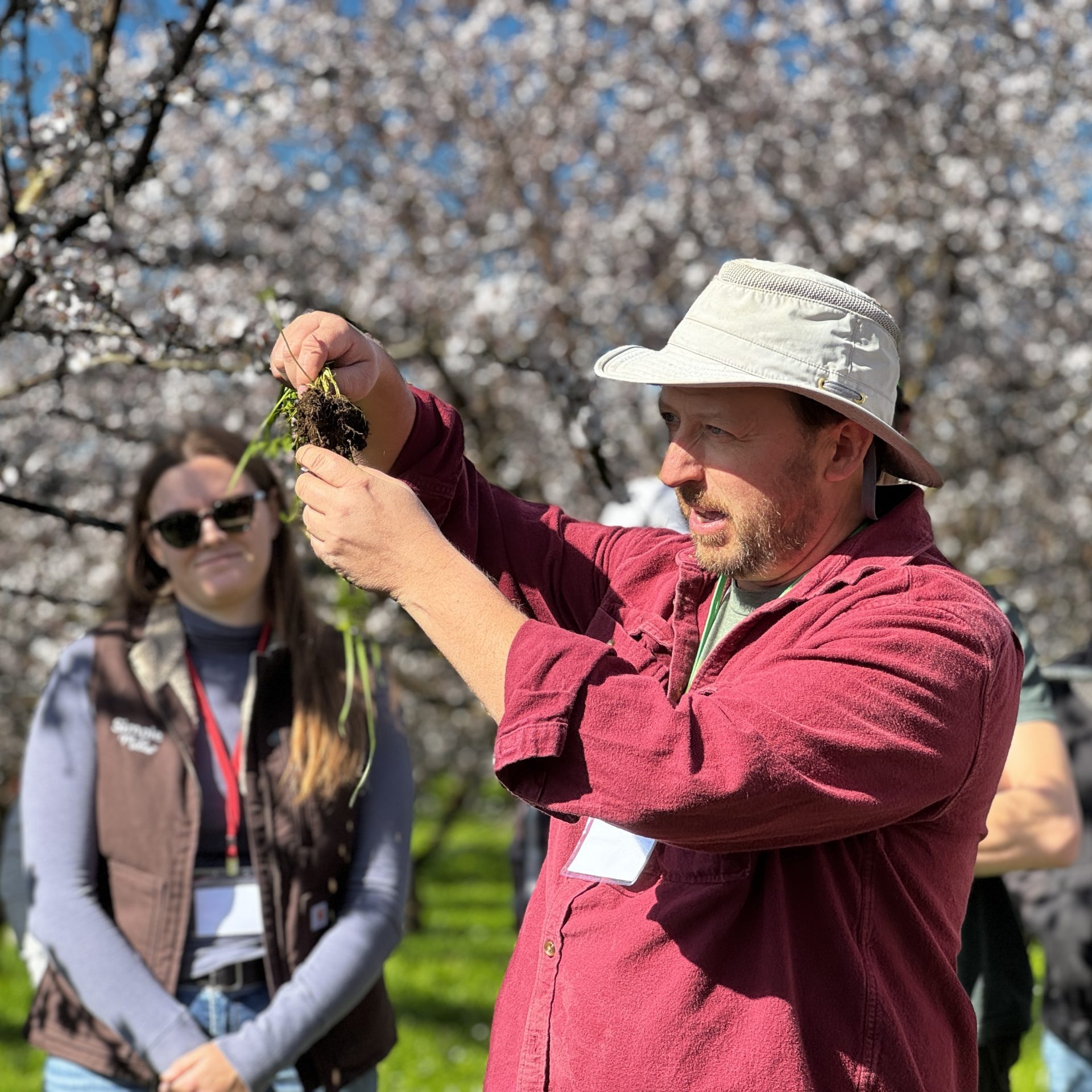
Dr. Jonathan Lundgren, Ecdysis Foundation. Jon is an agroecologist, farmer, rancher, and beekeeper, and the founder and director of the Ecdysis Foundation and Blue Dasher Farm. A former USDA entomologist, he launched the 1000 Farms Initiative in 2022 to answer a simple question: does regenerative agriculture deliver on its promises? His teams have now measured regenerative outcomes on more than 2,000 farms across 38 states, with 500 data points recorded on each farm. The early findings are striking:
-
Farms scoring highest on the regenerative scale stored 39% more soil carbon than the most conventional operations, with markedly higher insect and plant diversity.
-
Fully regenerative pasture and rangeland could store enough carbon to offset more than four years of annual U.S. emissions.
-
Conventional systems produce more yield, but at a much higher cost, and net profits were similar between conventional and regenerative farms.
Jon will share what this unprecedented dataset reveals about how regenerative systems perform in the real world, and what it means for winegrowers.

Dr. Liz Haney, Soil Regen. Liz is a soil and ecosystem scientist, co-developer of the Haney Soil Health Test, and co-owner of Soil Regen. She helps farmers, ranchers, and agricultural professionals understand what their soil is telling them—and use that information to make better management decisions. Her work is driven by a practical goal: helping family farms remain profitable while improving the land they depend on.
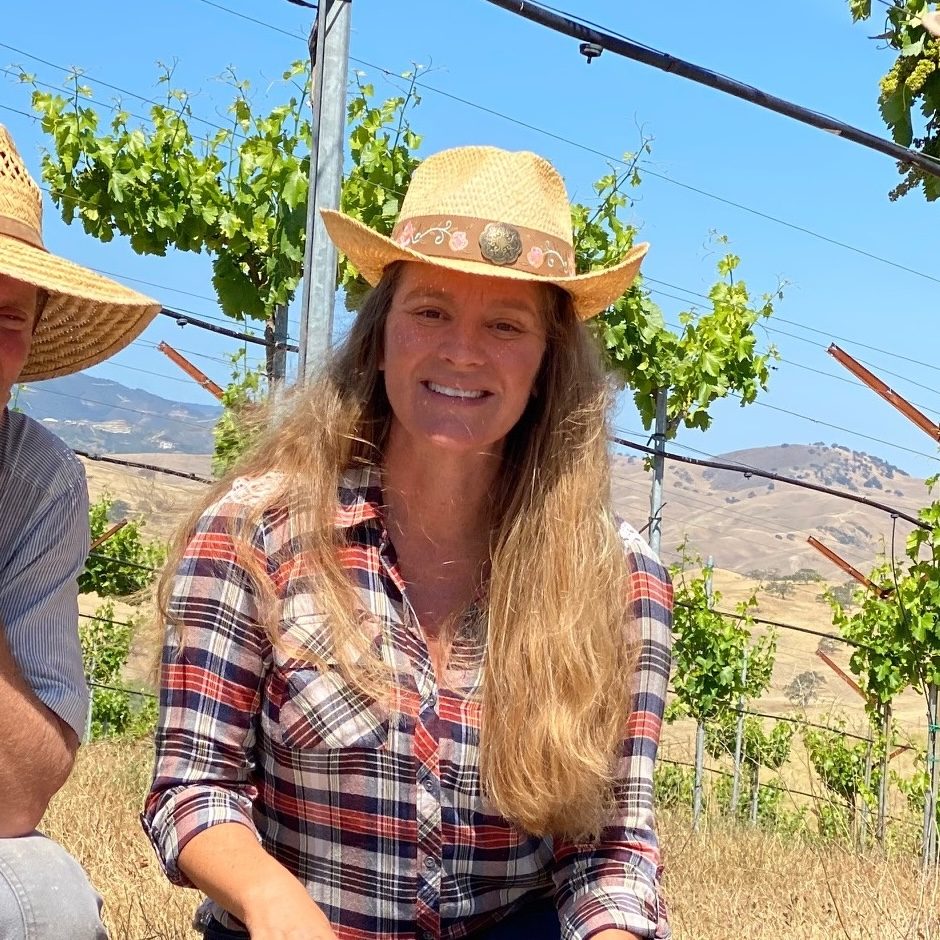
Jenny Garley, Sapalytics. Jenny is the founder of Sapalytics and the former Chief Science Officer of NEWAGE Laboratories. She has more than a decade of experience in plant sap analysis and data interpretation, and has overseen sap analysis teaching and training for growers and agricultural companies across the U.S., Mexico, and South America. Her work shows which nutrients a vine is taking up and moving right now, often well before symptoms appear in the vineyard.

Dr. Tommy Fenster, UC Davis. Tommy is a researcher with UC Davis's Gaudin Agroecology Lab and the Ecdysis Foundation. Since 2017 he has studied the ecosystem services of regenerative agriculture, including carbon sequestration, biodiversity, and profitability. His current work spans a network of 49 California vineyards, evaluating how sheep integration affects environmental and economic outcomes along the conventional-to-regenerative gradient.
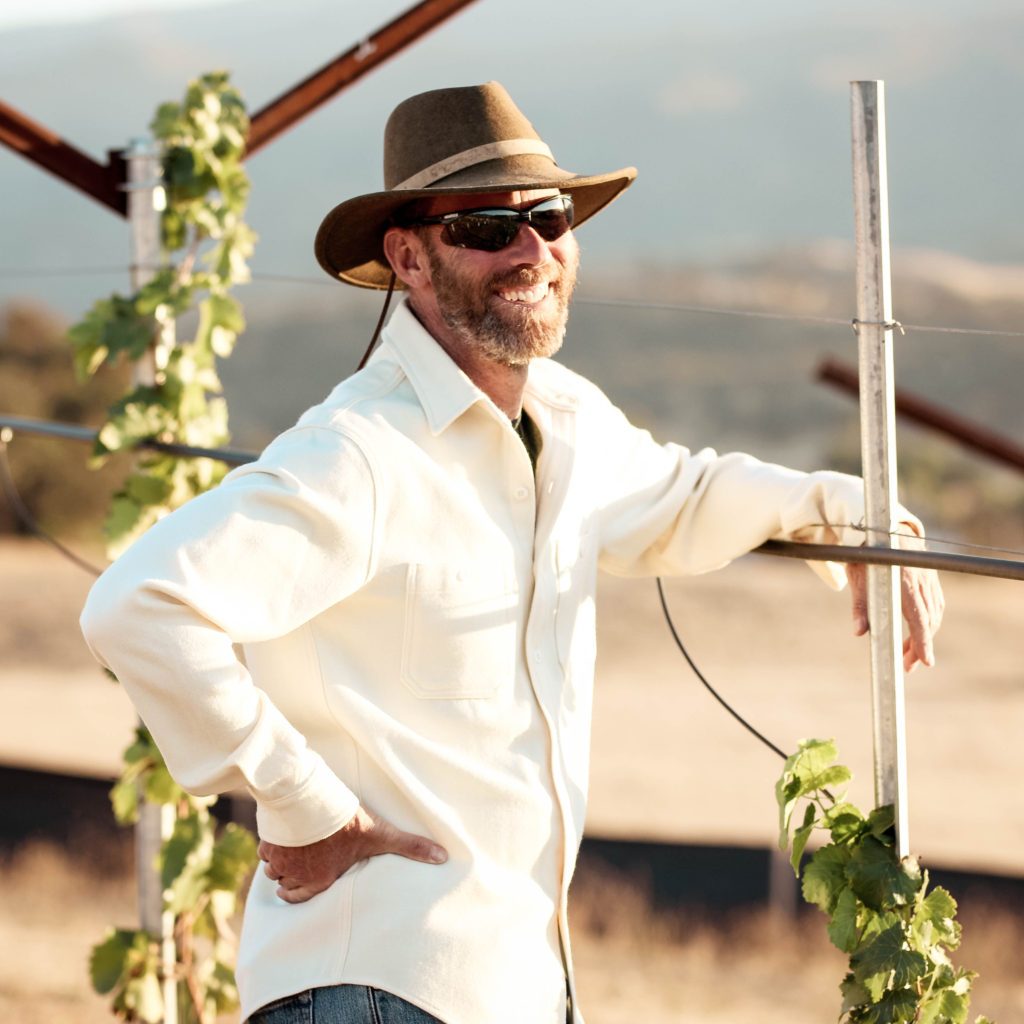
Kelly Mulville, Paicines Ranch Vineyard. Kelly has been vineyard director at Paicines Ranch since 2014. He designed the vineyard from the outset to integrate wine grape production with sheep grazing at any point in the year by using a high-cordon, partial overhead trellis. This significantly reduces tractor passes while supporting a dramatic increase in biodiversity at all levels. He tracks soil microbes, birds, plants and insects to guide his decisions, and consults with vineyards, farms, and ranches across the U.S. and abroad.

— Agenda Topics —
Workshop topics include:
-
Why monitoring is one of the most important practices in regenerative agriculture
-
Monitoring overall ecosystem health, with deep dives into:
-
Soil biology
-
Plant diversity
-
Birds
-
Insects
-
Ecosystem function: the water cycle, energy flow, biodiversity, and mineral (nutrient) cycling
-
Water infiltration
-
Plant nutrients and the role of sap analysis
- Economics
-
****
The workshop will be taught both in the classroom and in the regenerative vineyard at Paicines Ranch.
Food, Wine & Connection!
— Registration —
Registration will be opening soon! Please sign up to be alerted once tickets go live.
Scholarships will be available for farmers, ranchers, and students.
— Lodging & Camping Options —
- Ridgemark - 10 miles from Ranch
- Best Western - located in Hollister, 15 miles from Ranch
- Fairfield Inn & Suites by Marriott - located in Hollister, 15 miles from Ranch


— Location: Paicines Ranch —
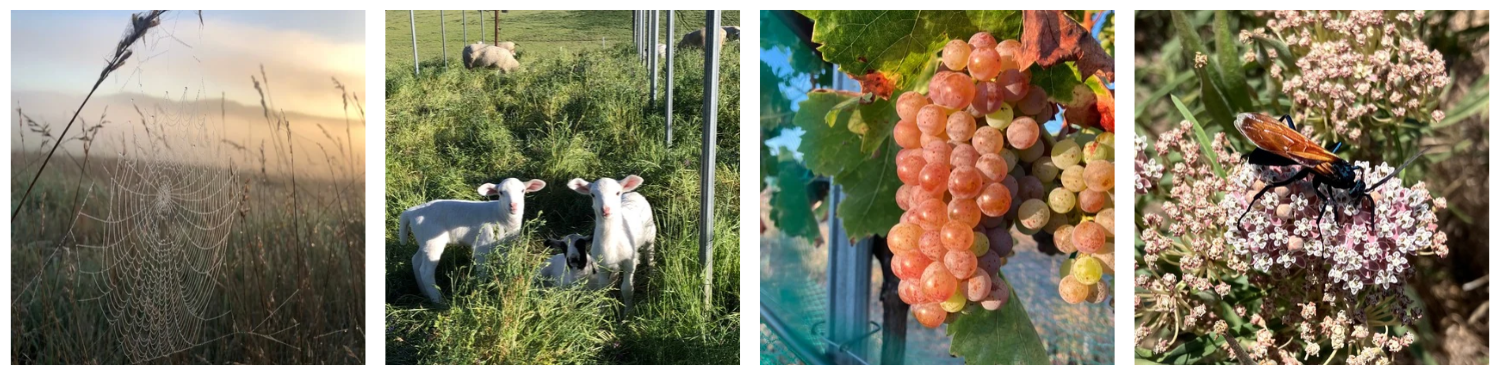
Located in central California's San Benito County, Paicines Ranch is a historic 7,600-acre ranch that works to regenerate ecosystems by growing healthy soil, nutrient-dense food and vibrant, diverse communities. Using the practices of regenerative agriculture, the ranch team manages this diverse landscape in partnership with nature and livestock to produce 100% grass-fed-and-finished lamb and beef, and pastured pork, turkey and eggs. Paicines Ranch also grow organic grain, as well as organic grapes in a polyculture vineyard that is designed to be managed by sheep. Over the years, the ranch has become a renown destination for learning about regenerative agriculture through their programs and educational workshops while also serving as a treasured location for hosting weddings, retreats, and events.
Remaining Questions?
— Conveners —

